Source Montessori Educational Toys for Homeschooling, Daycare, and Therapy
Compare 30 verified listings for montessori educational toys made from wood, featuring custom logos and certifications like ASTM and EN71. Buyers can evaluate models such as ST-108 and MIC-108 for ages ranging from under 3 to 8 years with sample lead times of 7-10 days.
Key considerations
Products List








Comprehensive Sourcing Guide
Montessori Educational Toys Sourcing Guide
Sourcing high-quality Montessori educational toys requires a disciplined approach that balances pedagogical integrity with rigorous commercial due diligence. Buyers must prioritize materials that are natural, durable, and safe, ensuring that the final product supports the core Montessori principles of independence and hands-on learning. The market offers a diverse range of wooden implements designed to enhance cognitive and motor skills, but not all listings meet the stringent safety and educational standards required for modern retail. This guide provides a structured framework for evaluating suppliers, verifying technical specifications, and managing commercial risks associated with importing these specialized items.
The procurement process begins with a clear understanding of the product scope and the specific signals present in supplier listings. By focusing on verified attributes such as material composition, age appropriateness, and certification status, buyers can filter out low-quality offerings that fail to meet regulatory requirements. This guide emphasizes the importance of cross-referencing observed listing data with trusted category knowledge to build a reliable supplier shortlist. The following sections detail the critical steps for validating product quality, ensuring compliance, and establishing sustainable supply chain relationships for Montessori toy procurement.
Product Scope and Observed Listing Signals
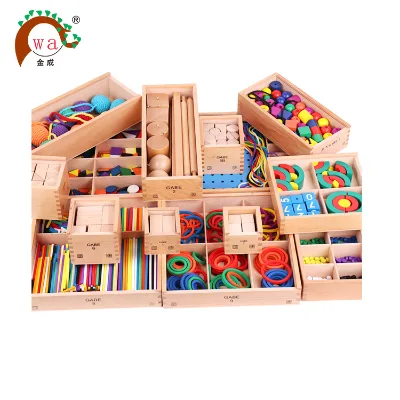
The observed product landscape for Montessori educational toys is characterized by a strong emphasis on natural materials, with wood being the predominant substance used in manufacturing. Listings frequently highlight customization options, including custom logos and varied packaging formats such as color boxes, paper boxes, and OPP bags, which allow buyers to tailor products to their brand identity. The age range for these items typically spans from under three years to eight years, indicating a broad market applicability that requires careful segmentation based on developmental stages. Buyers should note that while many products are labeled as educational or intellectual toys, the specific functional benefits must be verified against the intended learning outcomes.
Observed listing signals also reveal significant variation in product specifications, including model numbers like ST-108, ST-61, and MIC-108, which correspond to different dimensions and packing configurations. For instance, some items are described as wooden hedgehogs with specific weights and carton sizes, while others are categorized under pure wooden toys with medium scale classifications. The presence of DIY functions and eco-friendly attributes suggests a growing consumer demand for sustainable and interactive play experiences. However, buyers must treat these attributes as observations rather than universal guarantees, verifying each claim through direct supplier communication and sample evaluation to ensure consistency across large orders.
Technical Specifications to Verify
Technical verification is critical when sourcing Montessori toys, as dimensional accuracy and material integrity directly impact safety and usability. Buyers must confirm standard dimensions such as 20101cm or 28.521.51.3cm to ensure compatibility with existing inventory systems and retail display requirements. The weight of individual items, often around 0.5kg, influences shipping costs and handling logistics, making it essential to calculate total carton weights accurately. Additionally, specifications like S/M/L sizing for certain models indicate variability that must be managed through precise order specifications to avoid fulfillment errors.
Packaging specifications vary widely, ranging from individual color boxes to palletization and outer cartons, which affects both product protection and storage efficiency. Buyers should verify the packing quantity per carton, such as 30 pieces, to optimize shipping volume and reduce per-unit logistics costs. The origin of products, primarily from regions like Zhejiang, China, provides insight into manufacturing capabilities but requires validation of production capacity and quality control processes. It is also important to confirm the plastic type, even for wooden toys, to ensure that any non-wood components are safe and compliant with material restrictions.
Compliance and Safety Documentation
Compliance with international safety standards is non-negotiable for Montessori educational toys, particularly those intended for young children. Buyers must verify that suppliers hold valid certifications such as ASTM F963-96a, EN71, and CE, which are critical for market access in North America and Europe. These certifications ensure that the toys meet rigorous requirements for mechanical, physical, and chemical safety, protecting children from potential hazards. The presence of ASTM and CE marks on packaging further indicates adherence to these standards, but buyers should request current test reports to confirm that the specific models ordered are covered.
Documentation verification should extend beyond basic certifications to include material safety data sheets and eco-friendly claims. Since many products are marketed as eco-friendly, buyers should inquire about the source of the wood and the types of finishes or adhesives used. The age range specification, such as under three years, triggers stricter regulatory scrutiny, requiring additional testing for small parts and choking hazards. Buyers must ensure that all compliance documents are up-to-date and issued by accredited laboratories, as outdated or invalid certifications can lead to customs delays and product recalls.
Cost Drivers and Commercial Terms
Cost structures for Montessori educational toys are influenced by material quality, customization levels, and order volume. The observed price range of 0.5 to 64 USD reflects significant variation based on product complexity and packaging requirements. Buyers should analyze the cost per unit in the context of the minimum order quantity (MOQ), which ranges from 1 to 1000 pieces, to determine the most economical order size. Customization options, such as logo printing, may incur additional setup fees or higher per-unit costs, which should be factored into the total landed cost calculation.
Commercial terms, including payment methods like T/T and PayPal, and sample lead times of 7-10 days, play a crucial role in cash flow management and project planning. Buyers should negotiate favorable payment terms to mitigate financial risk, especially for first-time suppliers. The availability of samples allows for quality assessment before committing to large orders, but buyers should account for sample costs and shipping fees in their budget. Understanding the lead time for production and shipping is essential for maintaining inventory levels and meeting customer demand without stockouts.
Supplier Qualification and Quality Control
Supplier qualification involves a thorough assessment of manufacturing capabilities, quality control systems, and business stability. Buyers should verify the supplier’s production capacity and experience in manufacturing wooden toys, as this impacts consistency and reliability. Requesting references or case studies from other clients can provide insights into the supplier’s performance and customer satisfaction levels. It is also important to assess the supplier’s responsiveness and communication skills, as these factors influence the efficiency of the procurement process and problem resolution.
Quality control measures must be established before production begins, including clear specifications for materials, dimensions, and packaging. Buyers should consider implementing pre-shipment inspections to verify that the products meet the agreed-upon standards. The use of third-party inspection services can provide an objective assessment of product quality and compliance. Additionally, buyers should establish a clear process for handling defects or non-conforming products, including return policies and compensation terms, to protect their interests and maintain brand reputation.
Long-Term Procurement Checks
Long-term procurement success depends on continuous monitoring of supplier performance and market trends. Buyers should regularly review supplier metrics, such as on-time delivery rates, defect rates, and responsiveness to issues, to identify areas for improvement. Building a strong relationship with suppliers through regular communication and feedback can foster collaboration and innovation. It is also important to stay informed about changes in safety regulations and consumer preferences, which may require adjustments to product specifications or sourcing strategies.
Sustainability and ethical sourcing are increasingly important factors in the toy industry, and buyers should prioritize suppliers who demonstrate commitment to these values. Verifying the source of raw materials and ensuring fair labor practices can enhance brand value and reduce reputational risk. Buyers should also consider diversifying their supplier base to mitigate supply chain disruptions and ensure business continuity. By maintaining a proactive approach to supplier management and market analysis, buyers can secure a reliable supply of high-quality Montessori educational toys that meet the needs of their customers.
FAQs
What certifications do these wooden toys have?
These wooden toys hold ASTM F963-96a, EN71, and CE certifications to ensure safety. Some listings also mention ASTM and CE compliance. These standards verify the products meet international safety requirements for children's educational items made from wood.
Can I get a custom logo on the toys?
Yes, custom logos are acceptable and supported for these educational toys. Buyers can request branding on the products or packaging. This customization option allows businesses to create unique branded items for their specific market needs and retail strategies.
What is the sample lead time for orders?
The sample lead time is typically 7 to 10 days for these wooden products. Samples are offered to buyers before placing bulk orders. This short turnaround helps clients evaluate product quality and specifications quickly before committing to larger purchases.
Which age groups are these toys suitable for?
These toys are designed for children aged 3 to 8 years, with some options for those under 3 years. They function as educational and intellectual toys suitable for both boys and girls. The age range ensures safe and engaging play experiences.
What payment terms are accepted for purchases?
Accepted payment terms include T/T and PayPal among other methods. These flexible options facilitate secure transactions for international buyers. Buyers should confirm specific terms with the supplier to ensure smooth processing of their orders for wooden educational products.
How are the products packed for shipping?
Products are packed in color boxes, paper boxes, or OPP bags depending on the model. Bulk shipments may use outer cartons or palletization. Packaging details vary by item, ensuring safe transport while maintaining the integrity of the wooden toys during delivery.